.jpeg)
.jpeg)
Zusammen mit seiner Kollegin Eva Pomeroy hat Otto Scharmer einen Text verfasst, in dem er die Wirkung und Relevanz eines Fourth-Person-Knowing anspricht. Dabei schöpft er aus seiner Forschung mit Transformationsprozessen in Wirtschaft, Politik und Zivilgesellschaft. Wir sprachen mit ihm über die Qualitäten dieses Wissens der vierten Person und warum es heute so wichtig ist.

Wie können wir wirksam auf die ökologische Krise antworten? Eine wachsende Zahl von Menschen und Initiativen erklärt, dass dies erst möglich sein wird, wenn wir der Natur eine juristische Stimme geben.
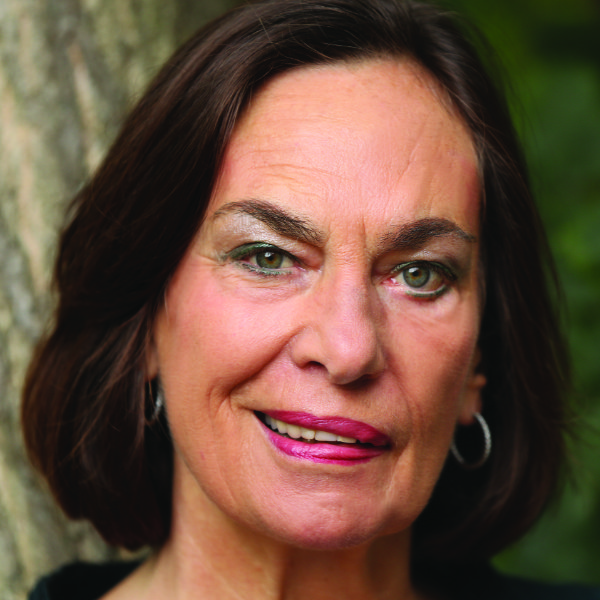
Jennifer Trujillo arbeitet derzeit für die COP16-Konferenz in Cali, Kolumbien, zum Thema Biodiversität. Sie hat sich intensiv mit partizipativer Führung, dem Global Ecovillage Network, dem Impact Hub Network und vielen Praktiken beschäftigt, die zum Systemwandel im weitesten Sinne beitragen können. Wir sprachen mit ihr über ihr Engagement.
.jpeg)
Selbstorganisierte Projekte wie Wohnprojekte, offene Werkstätten und solidarische Landwirtschaften stehen oft vor ähnlichen Herausforderungen: eine gemeinsame Vision, Entscheidungsprozesse und eine Kultur, damit Menschen Lust haben sich einzubringen. Dorli Flämig gibt Einblicke ins Forschungsprojekt ReallaborGutAlaune.
Mit Büchern wie »Gott 9.0«, »Von der Anmut der Welt« und zuletzt »Kirche am Ende« hat sich der Theologe und Seelsorger Tilmann Haberer mit einer Erweiterung christlichen Glaubens beschäftigt. Prägend war dabei für ihn der integrale Blick auf die Religion. Wir sprachen mit ihm über die Entfaltung seines Glaubens und wo er heute Kräfte der Erneuerung sieht.

Unsere westliche Lebensform ist von einem starken Individualismus geprägt. Wir nehmen uns als getrennt vom Ganzen wahr. So wichtig wie diese Entwicklung historisch gewesen ist, kommen wir heute an unsere Grenzen. In dieser krisenhaften Zeit zeigt sich eine neue Form des menschlichen Zusammenseins, die in vielen Praxisformen erforscht wird. Was zeigt sich hier? Und wie können wir daran mitwirken?

How do we find our way into a new history, a new connected and appreciative relationship with the earth and with each other? Elizabeth Debold is sure that this path will not be possible without a radical transformation of our gender identities. This is the only way to open the view for a co-creative and life-promoting togetherness.
Nora Bateson is the daughter of the systemic thinker Gregory Bateson. In continuation of his work she is researching our being and acting in the many contexts in which our lives take place. She also believes that we will only be able to understand the climate crisis properly if we take these many contexts of our individual and social lives into account.
Robin Alfred has lived in the eco-village of Findhorn in Scotland for many years. Now he applies what he learned about the power of listening and openness to greater intelligence in his work as a consultant in collective fields, and to find impetus for a new activism.
Lee Mingwei designs experiential spaces in the museum in which the human encounter is central. He asks people to bring their favorite things to the museum and to share the stories behind them, he invites visitors to mend clothes with him, or spend a night with him in the museum. What inspires him is the unpredictable moment of encounter, of exchange, giving, and the ritual deepening of everyday situations. We spoke to the artist, who recently had an exhibition at Berlin's Gropius Bau designed under exceptional conditions.
Claude Alvares lives in Goa, India, where he and his wife, Norma, are local heroes for protecting the coast that so many Westerners visit for its beauty. We wanted to speak to Claude to get an outside perspective on the existential struggle that seems to plague the West. Could someone who had seen the effects of colonialism on his own culture offer any insights on the source of the West’s crisis about meaning?
How we find our purpose in life is deeply intertwined with the identity we develop. Yet this identity is often constrained by categories of separation and holds us captive. How can we find a new form of identity that also enables a new form of meaning?
Jordan Hall is something of a polymath. Talking to him about the metacrisis of our time was a wild ride through history, genetics, linguistics, and more -- so comprehensive it's beyond the scope of an article (but you can listen to the full interview in English, see the link below). In this text, we follow Hall's explanation of our current global social reality, which he calls "Game A" and "The Devil's Bargain". But he doesn't leave us in the hands of the devil: "Game B" is already on the horizon.
Über das Buch »Die Religion von morgen« von Ken Wilber
Über das Buch »Essbar sein – Versuch einer biologischen Mystik« von Andreas Weber
Mit ihrem Ensemble gestaltet Nicole Beutler seit über 20 Jahren immersive Gesamtkunstwerke, die Tanz, Theater, Gesang, Musik, Bildende Kunst und Lichtinstallation miteinander verbinden. Dabei ist es ihr ein Anliegen, einen Raum für Reflexion, Imagination und Selbstwirksamkeit zu schaffen. Wir freuen uns sehr, dass wir mit Fotos von ihren Stücken, die zumeist ihre Schwester Anja Beutler aufgenommen hat, diese Ausgabe gestalten können.
Ein gesellschaftliches, demokratisches Miteinander ist nicht nur ein System äußerer Institutionen, gesetzlicher Regelungen und Übereinkünfte. Es hat, wenn es widerstandsfähig ist, auch ein inneres Zentrum, eine Seele. Gibt es innere Haltungen, Fähigkeiten, Kompetenzen, seelische Eigenschaften, die eine demokratische Kultur von innen her stärken, beleben und erneuern? Wir haben fünf Menschen, die sich mit der Erneuerung unserer Demokratie befassen, gefragt: Welche Seelenqualitäten sind nötig, um Demokratie zu leben?


Giersch).jpeg)


Als metamoderner Denker sieht Tomas Björkman unsere Kultur in einem grundlegenden Übergang. Nur wenn wir diesen Wandel verstehen, finden wir die Orientierung, die unserem gesellschaftlichen Handeln eine sinnvolle, friedliche, lebensdienliche Richtung gibt.
Seit Achtsamkeit zum gesellschaftlichen Trend geworden ist, wird Meditation gerne als Heilmittel für viele Zerrissenheiten unserer Zeit gepriesen. Die Neurowissenschaftlerin Tania Singer hat mit dem CovSocial-Projekt untersucht, wie Meditation im Verbund mit sozialem Training zwischen einander Fremden Beziehungen der Verbundenheit stiften kann.

Als Berater für Politik und Unternehmen hat Hanno Burmester den Blick für die tieferen Dynamiken geschult, die wirkliche Veränderung unserer Systeme verhindern. Müssen wir noch tiefer in die Krise rutschen, noch mehr Ratlosigkeit erfahren, um endlich radikal Neues zu wagen?
Es gibt zahlreiche Initiativen, die eine Erweiterung, Neuerfindung, Weiterentwicklung der Demokratie erforschen und sich dabei auf das lebendige Innere konzentrieren: den Fluss der sozialen Energie. Ein kleiner Blick in ein inspirierendes Feld der Möglichkeiten.
Mit ihrem Warm-Data-Ansatz blickt Nora Bateson auf die Verflechtung aller Aspekte unserer Lebenswelt. In der Tradition ihres Vaters, des Systemdenkers Gregory Bateson, sieht sie in unserer fragmentierten Sicht der Wirklichkeit auch die Ursache für unsere Krise der Polarisierung und das schwindende Vertrauen in die Demokratie.
.jpeg)